




Choose the Gary that matches your plans
GaryCity brings two separate communities into one clearly labelled guide. Gary, Indiana is the Lake Michigan city in northwest Indiana. Gary City, Texas is the Panola County community in East Texas, also commonly searched for as Gary, Texas. The shared name makes a memorable website address, but it does not make the two places interchangeable. Begin with the state and keep it attached to your plans as you move between maps, school information, accommodation searches and public records.
Use the Indiana guide if your question concerns Miller Beach, Marquette Park, Gary’s industrial history or a South Shore Line journey toward Chicago. Use the Texas guide if you are looking for Gary ISD, the Bobcats, local Panola County resources or the history of the Texas town. For an address, a property or a service boundary, go to the shared maps guide and work from the complete location rather than the name alone.
| What you have | Where to begin | What to take with you |
|---|---|---|
| A lakefront day or Chicago trip | Gary, Indiana | Your travel date, arrival method and intended destination |
| A Gary ISD or Panola County question | Gary City, Texas | The school year or exact service question |
| A street address or property listing | Maps and ZIP codes | The full address, including state and unit if relevant |
The distinction is supported by the City of Gary’s Indiana website and the East Texas Council of Governments’ Gary entry. Those sources identify different public bodies and different local geography. GaryCity provides a route into that information; each organization continues to manage its own services.
Two communities with different local landscapes
The Indiana guide begins beside southern Lake Michigan. The Texas guide begins in Panola County in East Texas. These are the essential geographic distinctions behind the website. They explain why a Gary search can lead to a beach, a commuter railway, a school district, a county office or an East Texas historical account without those results belonging to the same community.
For Indiana, the important local names include Miller Beach, Miller Woods, Marquette Park, the Paul H. Douglas Center and the South Shore Line. Miller Beach is a neighborhood; Miller Woods is associated with National Park Service land and visitor information; Marquette Park is a city-managed park. Those different names help you choose the right detailed guide and the right managing organization. The City of Gary and Indiana Dunes National Park provide the underlying public information.
For Texas, important connections include Gary ISD, Panola County, nearby Carthage and named regional outdoor destinations such as Lake Murvaul. A county connection can be useful to a Gary reader without being inside the town. The ETCOG city entry establishes the Panola County context. The Texas hub then separates the town, its postal name, the district and nearby services.
| Reference | Gary, Indiana | Gary City, Texas |
|---|---|---|
| County context | Lake County, Indiana | Panola County, Texas |
| Landscape starting point | The Lake Michigan shoreline and named city/NPS destinations | East Texas community and separately identified regional destinations |
| School source highlighted here | Gary Community School Corporation | Gary Independent School District |
| Detailed guide entrance | Explore the Indiana city guide | Explore the Texas city guide |
The table is an orientation guide, not a boundary or eligibility determination. If your question concerns a particular household, parcel or school assignment, use the address-specific route rather than treating the city column as a complete answer.
A Gary location can have five different layers
A place can be described by its community name, municipal jurisdiction, county, postal address and school district. Those layers often appear together in a search result. They do different jobs, so they do not have to share one boundary. Recognizing the distinction is especially useful on a website that covers two communities with the same familiar name.
The community name helps people recognize an area. A municipal boundary helps identify the relevant city government. A county name directs you toward county offices and records. The postal form helps mail reach a delivery address. A school district identifies an educational organization and its processes. The Census Bureau explains why a postal city name is not the same thing as a legal city boundary.
For a Texas example, Gary ISD publishes its location as 132 Bobcat Trail, Gary, TX 75643. That is a useful district contact and postal reference. It does not answer every municipal, parcel or school-assignment question concerning a different property with a Gary mailing address. Similarly, recognizing Miller as a Gary, Indiana neighborhood does not make a station, a trailhead and every park entrance the same destination.
When two records appear to disagree, first ask which layer each record describes. A postal result and a parcel record may be answering different questions. A venue’s directions may identify an entrance that differs from a general town map pin. Keep the full address and the intended task together before deciding that one result must be wrong.
The maps and ZIP codes guide provides the practical lookup sequence for either city. The Texas place-name article explores the geography in more depth. These pages are useful when the question is about location itself, rather than the wider attractions or history of a city.
Use real address examples when a ZIP result is confusing
Gary, Indiana does not have one universal ZIP code. Two public destination examples show why a city-only answer can be too broad: the City of Gary publishes City Hall at 401 Broadway, Gary, IN 46402, while the National Park Service lists the Paul H. Douglas Trail starting point at 100 North Lake Street, Gary, IN 46403. Both belong in the Indiana guide, but their postal codes differ.
| Place | Published address reference | Original source |
|---|---|---|
| Indiana City Hall | 401 Broadway, Gary, IN 46402 | City of Gary |
| Indiana trailhead | 100 North Lake Street, Gary, IN 46403 | NPS Paul H. Douglas Trail |
| Indiana district contact | 900 Gerry Street, Gary, IN 46406 | Gary Community School Corporation |
| Texas district contact | 132 Bobcat Trail, Gary, TX 75643 | Gary ISD |
School searches are easier to assess when the full institution and address stay together. Gary Community School Corporation’s Gerry Street contact belongs to Indiana; Gary ISD’s Bobcat Trail contact belongs to Texas. A similarly abbreviated district name in a search result can refer to another school system entirely. Open the district’s own page and compare its full name, state and contact address before using a calendar or entering an account.
These are organization contact examples, not a directory of attendance zones. If the task concerns a household, a student or a particular campus, take that question to the responsible district. Keep the address of the organization separate from the residential address being assessed.
The Texas city directory lists 75643 as its primary ZIP, and the district uses that code in its published contact address. That does not make the ZIP a municipal or school boundary. It is an orientation clue when separating Texas from Indiana results, followed by a full-address check for the actual location you need.
Use these examples to recognize a mismatch, rather than copying one into an unrelated household or business record. For your own destination, enter the complete street address and state in the appropriate postal lookup. Use the destination's instructions for its entrance, and the responsible authority for jurisdiction or school questions. The maps and ZIP codes guide gives the detailed workflow.
Choose a visitor route by the destination you actually need
For an Indiana outdoor visit, the Miller Beach guide is the practical starting point. It distinguishes the city park, the education center, the woods and the lakefront. Use that guide when you need an entrance, a suitable activity or an access-source checklist. Use the landscape journal article when your main interest is understanding the dunes, wetlands and other habitats. One page plans the outing; the other explains what makes the landscape interesting.
The Paul H. Douglas Center has its own environmental-education role. Marquette Park’s map and rules describe a city park with distinct features. A building, trail and beach can be part of the same wider visit while requiring different information from their respective managers.
For Texas, begin with the purpose of the visit. A school activity belongs with the district’s current event and venue information. A camp visit belongs with the camp operator. A regional lake outing belongs with the named access facility. The Texas Parks and Wildlife Lake Murvaul page distinguishes Decker-Hill Park, the FM 1971 Bridge access, Rosie Jones Park and Tinkle Park. Those are useful named destinations; “the lake near Gary” is less precise.
A nearby place belongs in a Gary trip when its actual location and purpose are clear. Carthage can be a practical reference in a Panola County visit without being described as Gary City. Likewise, a wider Indiana Dunes destination should keep its own locality and managing organization. The site’s city labels establish the starting area; the destination’s own information resolves the actual stop.
Food and accommodation searches should follow that same location choice. Use the destination or neighborhood you need, then confirm the business’s current address, availability and terms. The food and stays section explains the search route. No live room inventory or invented business shortlist is presented as verified local availability.
Residents need different routes from visitors
An everyday task usually starts with a responsible organization, rather than an attraction. In Indiana, Gary 311 is the city’s route for non-emergency issues such as streetlight concerns and illegal dumping. The city’s directory helps identify departments. These are municipal routes; a question about school records or a county-held document belongs with the appropriate separate organization.
In Texas, the regional city directory is a starting point for Gary municipal contact, while Panola County’s office directory separates county responsibilities. The city entry’s P.O. Box 160 is a mailing address, not a verified walk-in service counter. Identify the actual office and procedure before traveling for an in-person task.
For school-owned information, use Gary Community School Corporation in Indiana or Gary ISD in Texas. Their names should remain attached to the state in your notes. A calendar, a parent account, transportation information and an individual enrollment matter can require different school contacts even within one district.
Libraries offer another useful contrast. Gary Public Library lists Indiana locations including the Public Library and Cultural Center, Kennedy Branch and Woodson Branch. For Texas-area readers, Sammy Brown Library in nearby Carthage publishes its own service information. These are different institutions. A useful regional library link is not a claim that a Gary municipal branch exists or that every reader automatically qualifies for every service.
The local resources directory puts these routes behind one city filter. Its longer guidance helps when an initial link leaves the task unresolved. The site does not receive municipal filings, school applications, library registrations or utility payments on behalf of those organizations.
Indiana rail travel and Texas destination travel need different information
The South Shore Line station guide identifies Miller at 760 S. Lake Street and Gary Metro Center at 200 West 4th Avenue in Gary, Indiana. It also identifies Chicago destinations including Millennium Station. Those named stations give an Indiana reader a useful rail starting point. They should never be confused with a travel connection serving the Texas Gary.
The Gary-to-Chicago guide handles station choice, current timetable routes, ticket-information sources, accessibility questions and the journey at both ends. It avoids a universal fare or travel-time claim because the actual journey depends on the service and destination. If rail travel is your task, go directly to that specialist page rather than piecing together instructions from unrelated city summaries.
For Texas, an address might identify a district site, a county office in another town, a camp or a regional recreation facility. The useful first step is the named destination’s actual entrance and instructions. A town-center map point does not identify the correct school entrance, public counter or lake access. The Texas hub helps identify those organizations and labels nearby places honestly.
For either place, keep a destination address separate from a mailing address. Keep a station separate from a trailhead. These distinctions matter most when you are arranging a meeting, transport for someone else or a visit with a fixed appointment. The address guide is the shared companion when the location itself still needs to be established.
Two histories, with different kinds of evidence
Gary, Indiana’s industrial-city founding period is 1906. The Library of Congress HABS record for the Gary Land Company Building is one entry into that period. The Indiana history guide connects the planned city with later community institutions, labor, schooling, public life and representation. The founding of a municipality is one event in a landscape with a longer human history.
For Texas, the Handbook of Texas Gary entry distinguishes settlement in the area from the railroad-associated townsite of 1898 and the Gary post-office name in 1899. Those are different historical milestones, not interchangeable answers to every question about when the town began. The Texas history guide follows the records and explains what each date supports.
The archival starting points also differ. The Gary Public Library Indiana Room connects Indiana readers with local-history and genealogy resources. Texas readers can explore the Loblolly collection at the University of North Texas Libraries, preserving a publication associated with Gary High School students and community history. A library collection and a student oral-history publication supply different kinds of evidence.
A timeline helps identify sequence. A newspaper, photograph, directory or interview helps investigate a particular question. A recollection can preserve a speaker’s perspective without describing every resident’s experience. A dated image can show a scene without establishing today’s ownership, opening or public access. The history guides keep these distinctions visible so you can follow an interesting account back to its record.
Neither city should be reduced to a single building, famous name or search headline. The site’s history routes are designed for readers who want context and attributable evidence. They also connect to present-day guides where a historical association prompts a separate question about a visit, a public service or a location.
Different answers have different lifetimes
A location, an archival date, an approved school calendar and a weather alert are different kinds of information. The first edition explains stable context and makes the changing source easy to reach. It does not turn an old search snippet into a current vacancy, a historic train photograph into a timetable or a calendar transcription into a live announcement feed.
| Information | Useful evidence | What changes the next step |
|---|---|---|
| Geography and place identity | The state, county and named place in an appropriate public record. | An address-specific boundary or jurisdiction question needs its own check. |
| Historical account | The record’s creator, date, period and reference. | New evidence can change an interpretation; historical conditions are not current services. |
| Academic calendar | The correct district, school year and approved document. | A revised calendar or later district notice may affect a particular day. |
| Transport | The current operator timetable and notices. | Service changes, date type, facilities or assistance arrangements. |
| Weather | The exact forecast location and issue/update information. | The current forecast and alerts for the activity, not a saved city summary. |
| Jobs, rooms or properties | The actual employer, provider or authorized representative. | Continuing availability, current terms and the proper application or booking route. |
Gary ISD’s school guide links the district-hosted 2026–27 PDF marked approved April 20, 2026. Its checked transcription keeps the original categories and makes a month view easier to read. The source and review date remain visible; the district controls later updates. That is a different service from importing an unverified events feed.
For weather, the National Weather Service lets you identify a location before using the forecast. Include the state when selecting Gary. For vacancies or availability, use the source responsible for the particular offer. These changing tasks are routed through the resource directory, rather than presented as live site data.
What this first edition covers
The first edition is a connected guide library with a defined scope. It includes city overviews, detailed task guides and a topical journal. It does not imply that the full research inventory has been published. Use the available pages as a coherent starting point, then follow the responsible source when a task needs a live answer or an individual decision.
| Your purpose | Included page | Its distinct job |
|---|---|---|
| Understand a city | Indiana or Texas hub | Local orientation and links into the city’s principal tasks. |
| Plan the Indiana lakefront | Miller Beach | Practical destination, access and outing choices. |
| Travel toward Chicago | Chicago journey guide | Station-to-destination planning and operator source routes. |
| Use the Texas school year | Gary ISD calendar | The approved document, faithful date labels and family planning context. |
| Investigate a location | Maps and ZIP codes | Postal, navigation, parcel and authority distinctions. |
| Research a move | Homes and land | A checklist for comparing property information and unresolved questions. |
| Find a responsible source | Local resources | City-filtered official routes and service guidance. |
| Read more deeply | The journal and both history guides | Distinct landscape, geography and historical explanations. |
Search covers the included guide records. Short terms such as beach, train, schools, history, maps or homes work well with the city filter. Shared pages may appear for either city because their task applies to both. If no guide matches, the search page offers city and directory routes so you can continue browsing.
Images and sources keep their actual identity
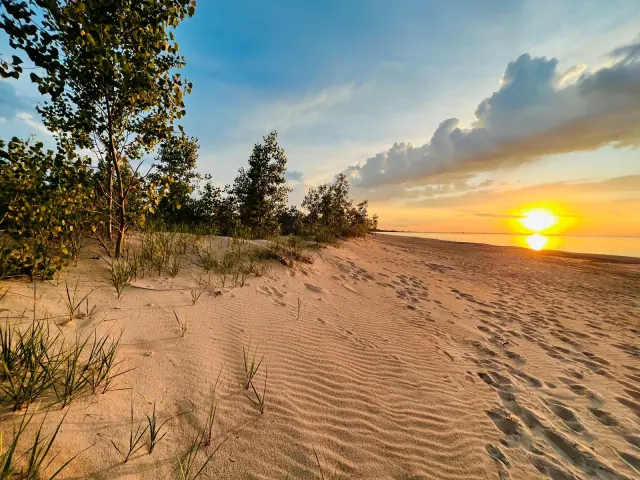
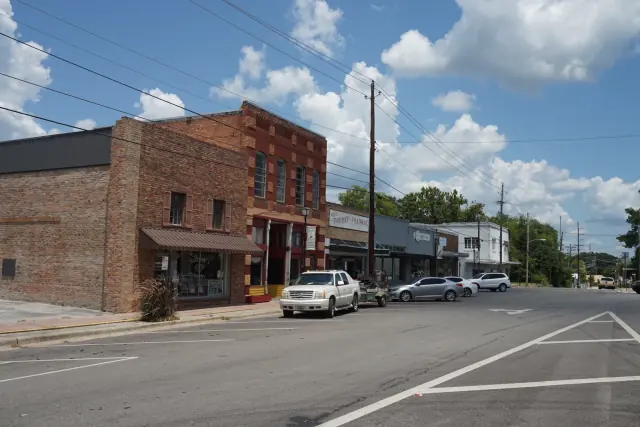
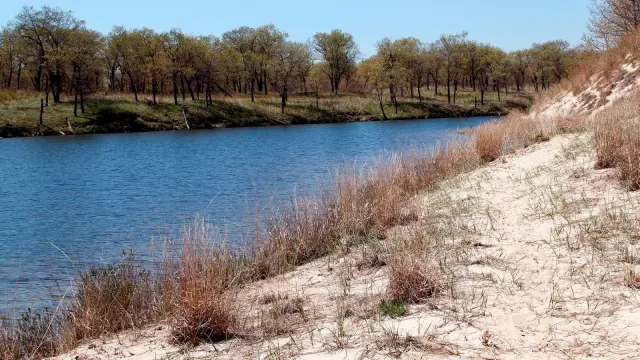
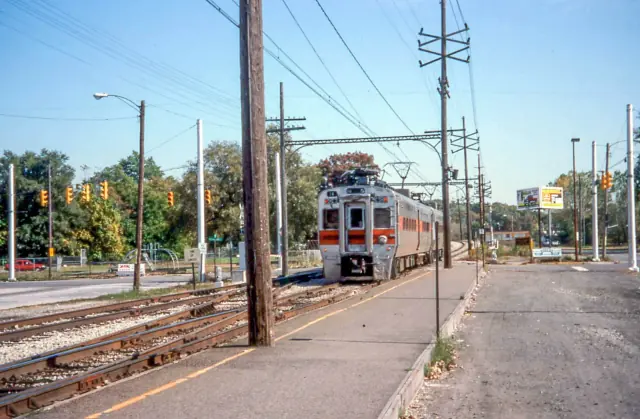
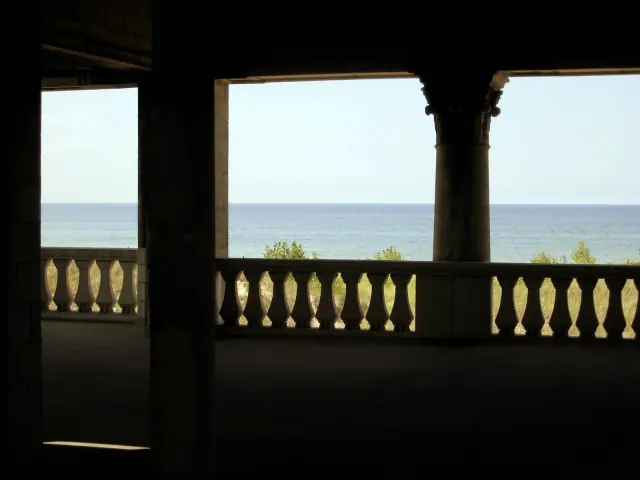
The homepage’s Indiana sunset is a documented Miller Beach photograph made in 2023. The Texas-area street scene is nearby Carthage in Panola County, photographed in 2017; it is labelled accordingly. The train photograph dates to 1996. Other Indiana scenes show Miller Woods, Marquette Park Pavilion and a view through the Gary Aquatorium. Each image belongs to a specific place and date rather than serving as proof of current conditions.
Original diagrams explain the relationship between Gary City, Panola County and East Texas, the different address authorities, the school-calendar checks and the responsible source for a task. They are illustrations, not local photographs, surveyed maps or official district records. The image credits identify creators, sources, reuse terms and location notes.
GaryCity is published by SHGLOBALMART LLC. The legal notice identifies the company and responsible publisher. Its Casper company correspondence address is not a Gary local office or visitor destination. The About page and editorial policy explain the independent publishing role and source approach.
For a correction, identify the guide, the statement or broken link and the supporting source. Use info@garycity.com for publisher correspondence. The contact page also prepares a note that downloads to your device; downloading it does not send a message. Keep private records and unnecessary personal details out of a website correction.